

Stem Cell Biology
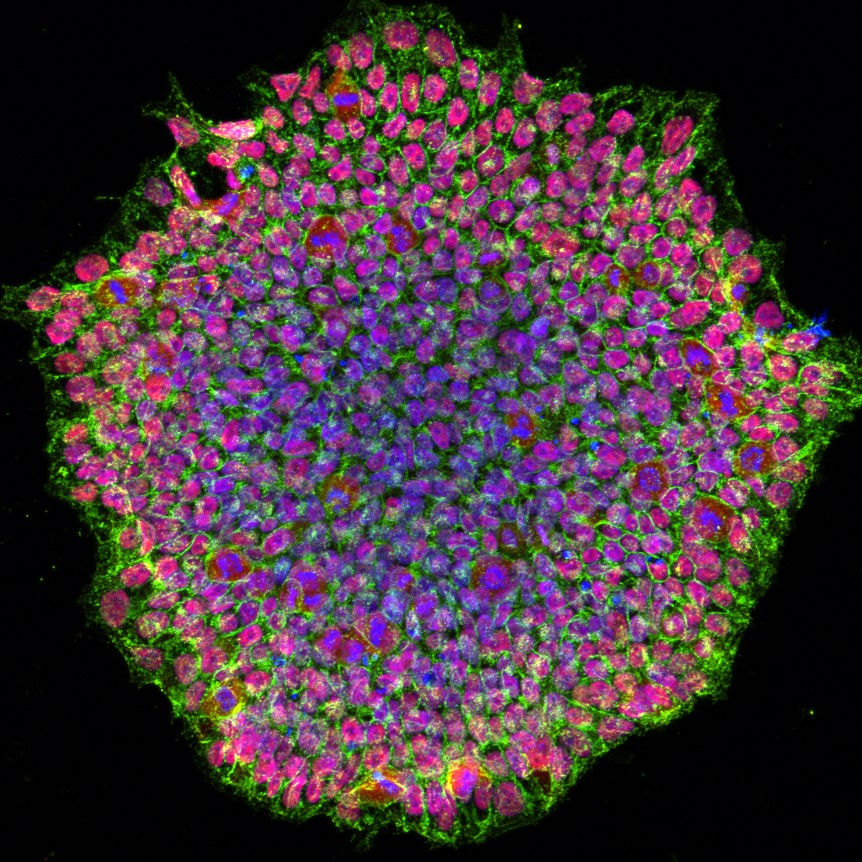
Human stem cell–derived models to investigate critical metabolic regulation and inter-organ communication. Human induced pluripotent stem cells (hiPSCs) provide a powerful platform to overcome these limitations by enabling the generation of patient-relevant models and an isogenic system.
Our lab has pioneered the generation of hiPSC derived adipocytes that are hormonally responsive. Particularly, these cells show insulin sensitive regulation of glucose uptake and lipolysis making them ideal tools for the study of insulin resistance, a hallmark of Type-2 Diabetes Mellitus. In addition, we have optimized the generation of other hiPSC derived cell types, such as hepatocytes, macrophages, chondrocytes, and endothelial cells, and their co-culture with adipocytes to study cell-cell interactions.
In addition, we are developing approaches to capture key biological variables with these hiPSC derived cells including:
· Biological Age: The function of key metabolic organs such as liver and adipose tissue changes dramatically as we age. We are developing innovative approaches to bring these aging-related changes to stem-cell systems.
· Biological Sex: Many metabolically active organs including the brain, liver, and fat show pronounced sexual dimorphisms. We are pioneering methods to reproduce these important differences in stem-cell-derived tissues.
· Genetics: Stem cells are a powerful tool to investigate the functional impact of human genetic variations on disease susceptibility. We are using genetically engineered hiPSCs to determine the impact of genetic polymorphisms on metabolic disease risks.