top of page

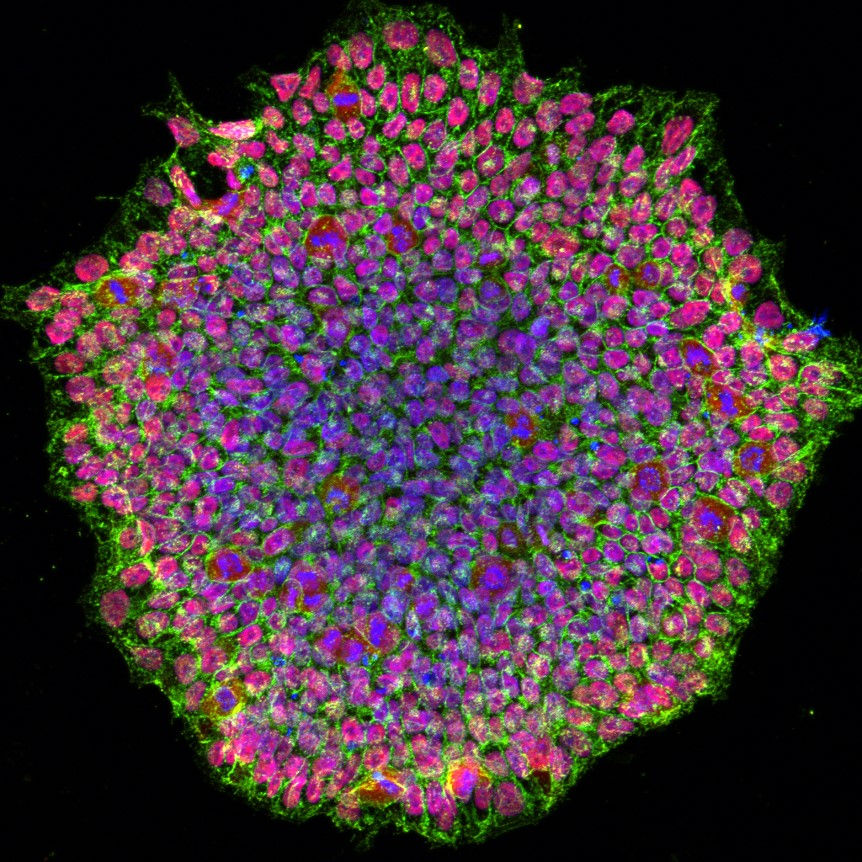
The I148M variant of patatin-like phospholipase containing protein (PNPLA3) is significantly associated with metabolic dysfunction-associated steatotic liver disease (MASLD) and liver cirrhosis. Although the I148M variant is suggested to promote MASLD through increased susceptibility ferroptosis (a non-apoptotic, iron-dependent form of cell death), the underlying causal mechanisms are not fully elucidated. Recent studies on wild-type PNPLA3 indicate that it mediates the mobilization of polyunsaturated fatty acids (PUFAs) to phospholipids to promote very low-density lipoprotein (VLDL) secretion; however, PUFA-PL are known to promote ferroptosis susceptibility, creating a mechanistic discrepancy that makes the role of PNPLA3 in ferroptosis unclear. To address this, we generated isogenic human induced pluripotent stem cells (hiPSCs) expressing either 148I or 148M PNPLA3 variants and differentiated them into hepatocytes to investigate this link. We discovered that 148M hepatocytes show significantly decreased NAPRT1 expression, leading to substantially suppressed NAD+ biosynthesis. Because NAD+ is essential for the antioxidant action of ferroptosis suppressor protein 1 (FSP1) and GPX4 action, diminished NAD+ could compromise their activity. Therefore, we hypothesize that 148M hepatocytes are more susceptible to ferroptosis due to reduced NAD+, GPX4 and FSP1 function, thereby driving the progression of MASLD. These findings provide a promising mechanistic framework allowing for potential therapeutics to be tested to target ferroptosis driving MASLD in I148M carriers


bottom of page